Seven months ago, I asked what I thought was a sensible question.
“What’s the best course for learning digital art?”
I’d spent years copying Pokémon, anime characters and video game creatures. I was pretty good at recreating things. If you gave me an image, I could usually produce a decent version of it.
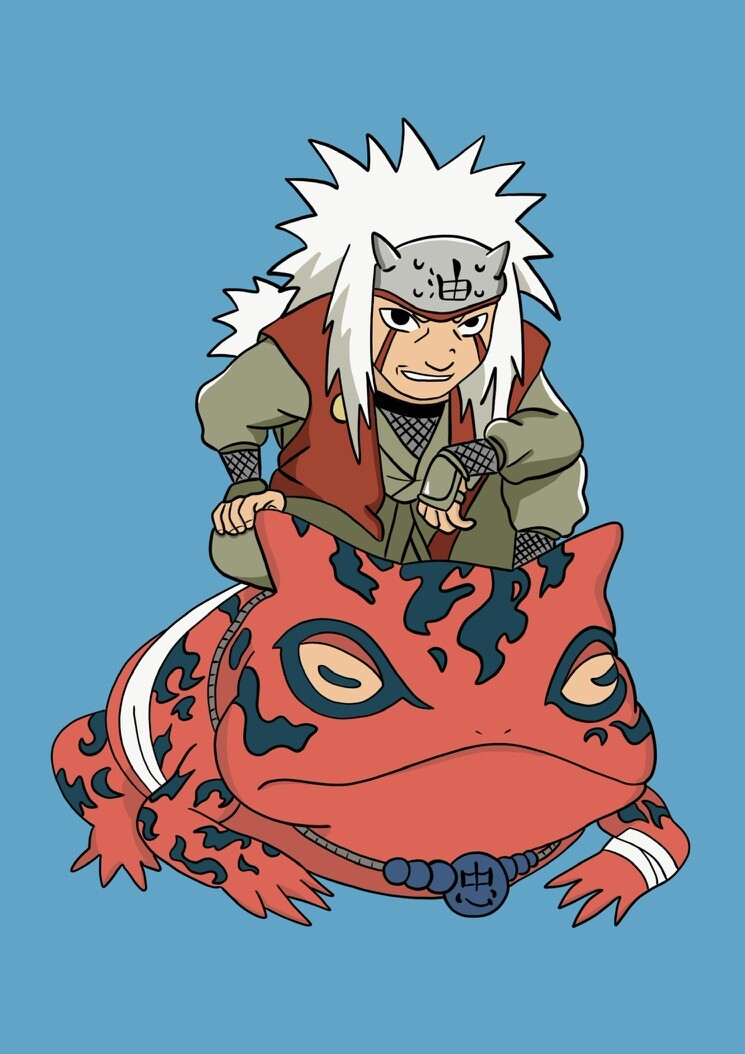 My drawing of Jiraiya from Naruto
What I couldn’t seem to do was create anything original.
At least, that’s what I told myself.
My understanding of art was rooted in technique. Art was about precision. It was about mastering skills and learning the right methods. If I wanted to become an artist, then surely the answer was to learn more. I needed a course. Or a tutorial series.
Some kind of roadmap that would take me from “not an artist” to “artist”.
The problem, as I saw it, was that I didn’t know enough. The solution, therefore, had to be to learn more. As always.
Instead, I got advice that surprised me.
The answer wasn’t more study. It was to start with images I liked and change them until they became something new.
Add bits. Remove bits. Move things around. Follow the interesting parts and ignore the rest. Make marks on the page and see what happens.
If I’m honest, I was initially disappointed.
Surely there had to be a handbook somewhere. A roadmap. A step-by-step process that would take me from where I was to where I wanted to be. I wanted someone to tell me exactly what to do and in what order to do it.
Looking back, though, I can see that I wasn’t really searching for knowledge.
I was searching for permission.
Permission to make bad art. Permission to make weird art. Permission to create things that only a handful of people might ever see.
Permission to stop treating creativity like an exam I had to pass before I was allowed to participate.
Over the years I’d done enough practice and tutorials to have a baseline proficiency in digital art tools. That wasn’t the problem.
So I started drawing.
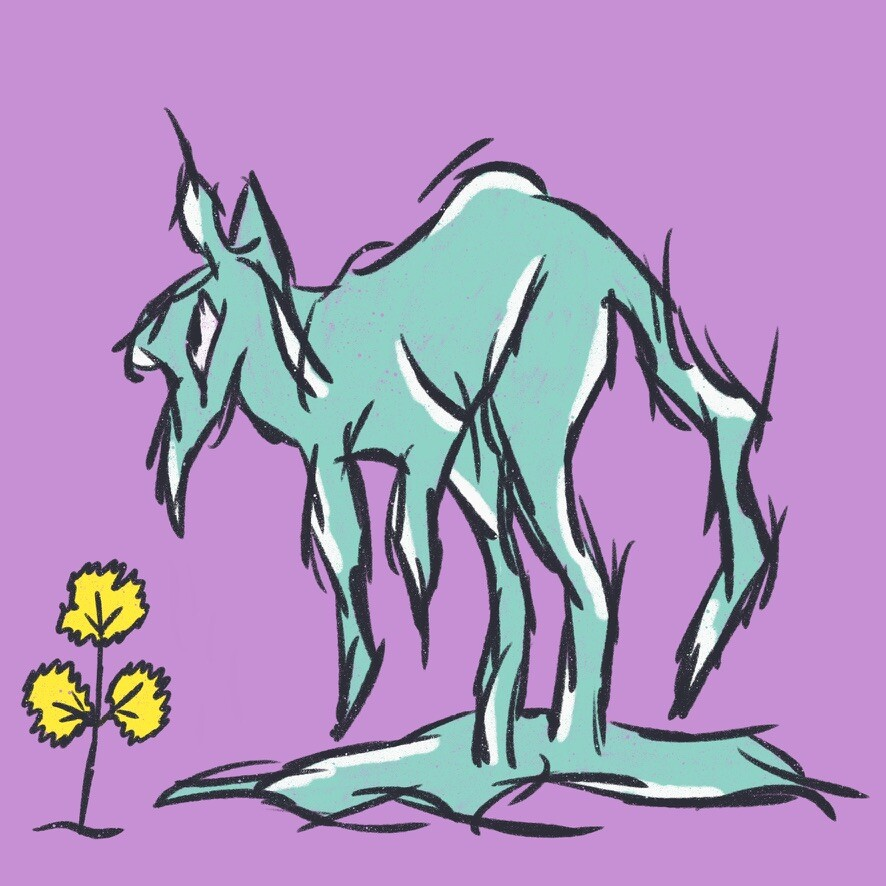 One of my early drawings, a fairly melted kangaroo
I picked a slot every day, either early morning or before bed, where I’d sit on the sofa with my iPad, pick an image that interested me, and start messing around. Every day, without fail. Even for five minutes.
The point was that I was no longer trying to reproduce somebody else’s work perfectly.
I was making choices.
Playful, messy choices that made me laugh.
This way of creating was completely different from how I’d approached art before. When you’re copying something, the goal is accuracy.
When you’re creating and playing, the goal is preference.
Do I like this colour? Does this character look funnier with bigger eyes? Would this scene feel warmer if I changed the lighting?
For the first time, I wasn’t trying to get the right answer. I was discovering what I liked.
And every now and then, something interesting would happen.
I’d finish a piece and think: “Oh.”
Not because it was highly detailed or super technical. Because there was something in it that felt like me.
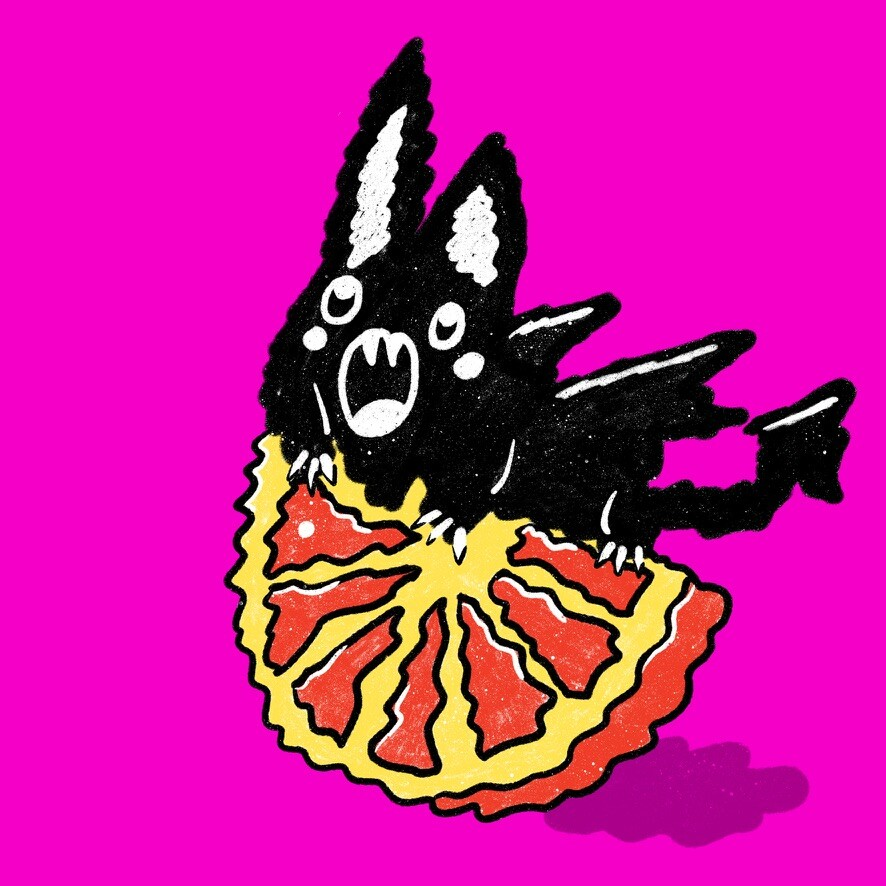 Zest Pest, one of my first ‘original’ drawings
A choice I couldn’t have made six months earlier. A colour palette I kept coming back to. A certain pop of colour or warmth. And always that slightly unhinged raccoon energy that I had been searching for.
Over time, those moments started happening more often. Without really noticing, I began making the same kinds of choices again and again.
My lines became looser. My colours became softer. My characters became more expressive. Certain compositions made me smile. Others didn’t.
A style was emerging, because I’d made enough things for my preferences to reveal themselves.
I thought artists found their style through tutorials, courses and technique.
What actually happened was that my style found me.
It emerged from repetition, experimentation, mistakes, curiosity, and a large volume of derpy-looking animals and chalky scribbles.
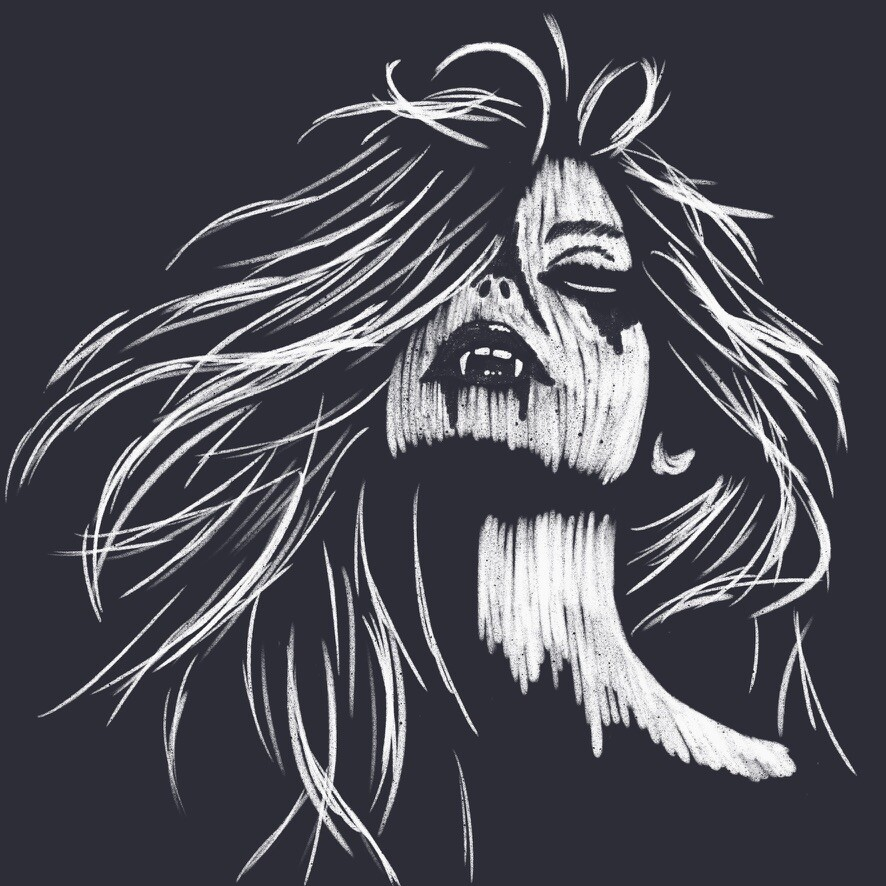 Mina, my favourite black and white piece
All I was really doing was paying attention to what I enjoyed.
This week I found myself scrolling back through everything I’d created. I didn’t make my Instagram for anyone but me. It was simply a record of where I started. Something to look back on.
There are more than eighty pieces of artwork on my Instagram now.
Eighty.
If you’d told me that seven months ago, I genuinely wouldn’t have believed you.
At some point, without really noticing, I stopped asking whether I was good enough to be “an artist”.
I was too busy making art.
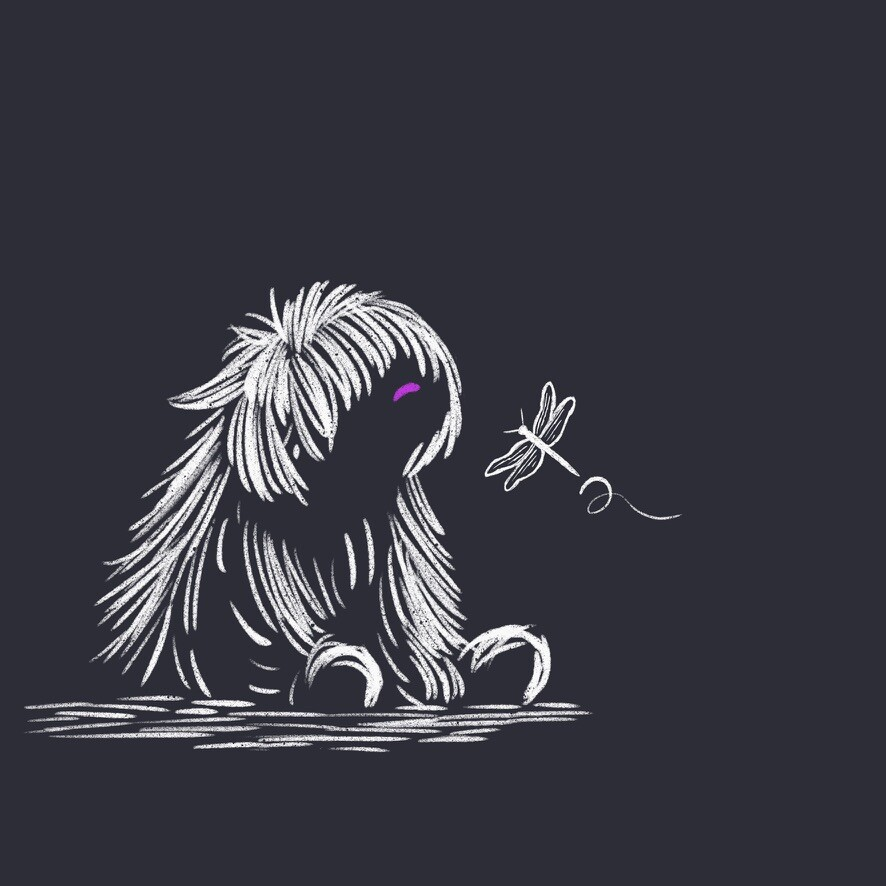 Moss, an original character I made
This pattern shows up everywhere, not just in art.
Leadership, coaching, sewing, writing.
When I stopped waiting for permission, everything changed. I found what made it mine, by my own rules. And I enjoyed it a lot more because I was, at last, expressing myself.
For years, I believed there was a moment when qualified people became the thing they wanted to be through external validation.
But the truth is nobody hands you a certificate declaring you an artist.
Or anything else.
You give yourself permission.
Then you make something. Then you make another thing. Then another.
And somewhere along the way, often when you’re not paying attention, you become the thing you were waiting to be.
Something else happened that I never expected. People started asking me to draw things for them. A marmot. A neighbourhood watch logo. Someone’s inner critic.
I still find that slightly surreal.
I feel unbelievably proud that something I made, from my heart, now sits in someone else’s home and makes them smile.
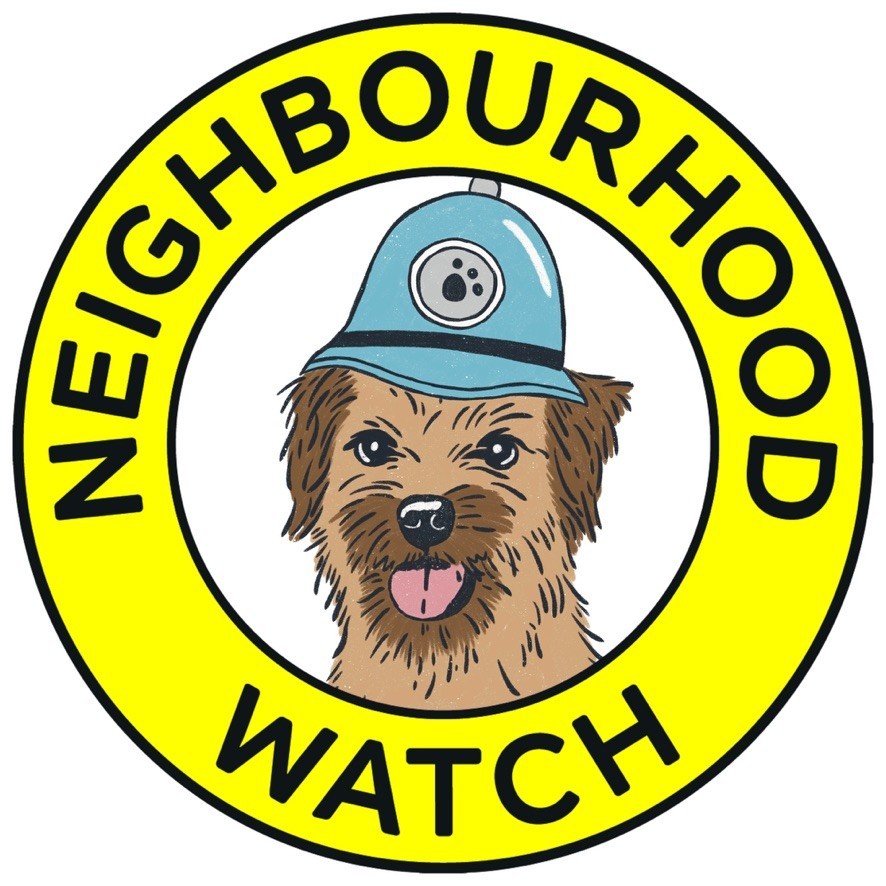 Custom neighbourhood watch commission
Seven months ago, I thought I needed a course.
What I actually needed was permission to be myself and play.
I suspect I’m not the only one.
So come follow me on Instagram! I’d love to see your melted creations too. Or whatever creative pursuit you’ve been waiting for permission to begin.
Come talk to me about it on LinkedIn
